 JOSEN
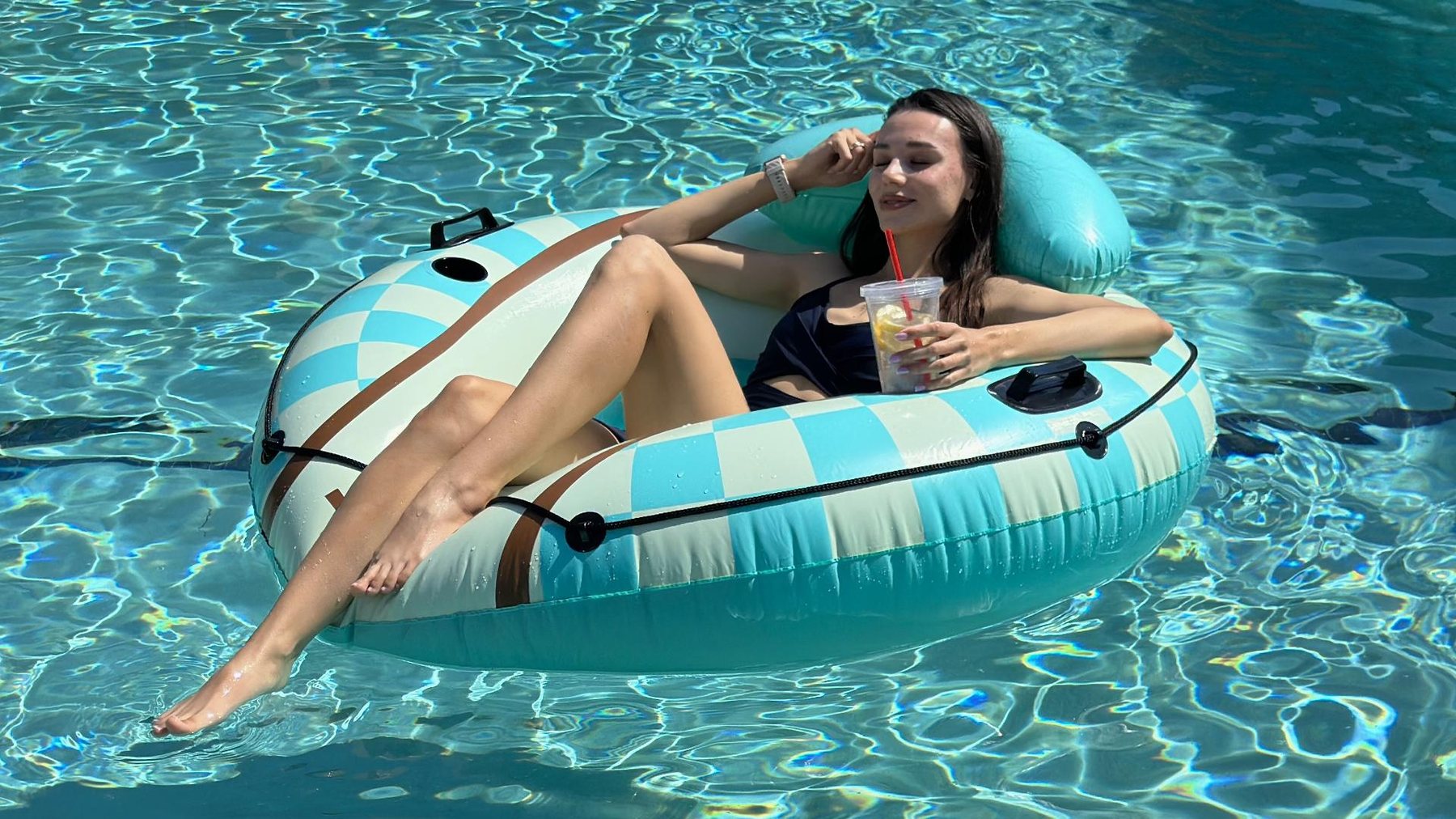
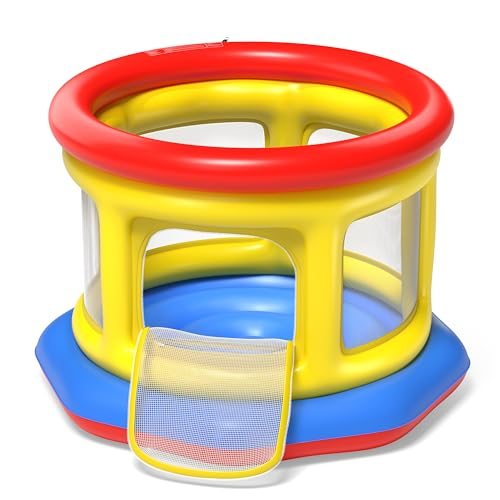
Nothing in this catalog is a life jacket. A pool float, a river tube and a ball pit are toys, and they are rated as toys. They can slip out from under a swimmer, they can flip, and they can drift faster than a child can swim. Every one of them needs a person watching who is not also on a float.
In a pool, the rule is simple: an adult within arm's reach of any child under five, every minute, regardless of what they are sitting on. Inflatables make a pool feel safer than it is because they look like furniture, and that is exactly the problem. The water underneath has not changed.
On a lake or river, wear a proper Coast Guard approved life vest on top of using the tube, not instead of it. A tube is very stable until it is not, and recovering a tube from deep water is harder than it sounds with wet hands and a tired swimmer. Tie tubes together with the pad eyes rather than holding on to each other, and stay upstream of anything you would not want to be swept into.
For the dry-land gear, the risks are different and more ordinary. Ball pits and bounce houses need a flat surface, three feet of clear space on every side, and no shoes. Hoppers need a soft floor and nothing with corners within falling distance. Wind is the one that catches people out — anything inflatable in an open yard should come inside or be weighted before a gust picks it up.
Check the valves and seams at the start of each season before anyone gets on. A slow leak is obvious on dry grass and invisible in a pool, which is the wrong order to find out. If a seam has opened, retire the piece. We would rather replace a float than read about one.
None of this is meant to make a pool sound dangerous. It is the ordinary experience of a summer, written down once so that nobody has to learn it at a party with twelve children in the water. If you have read this guide and the inflation one, you know everything we know, and the rest is just picking a shape you like the look of.