 JOSEN
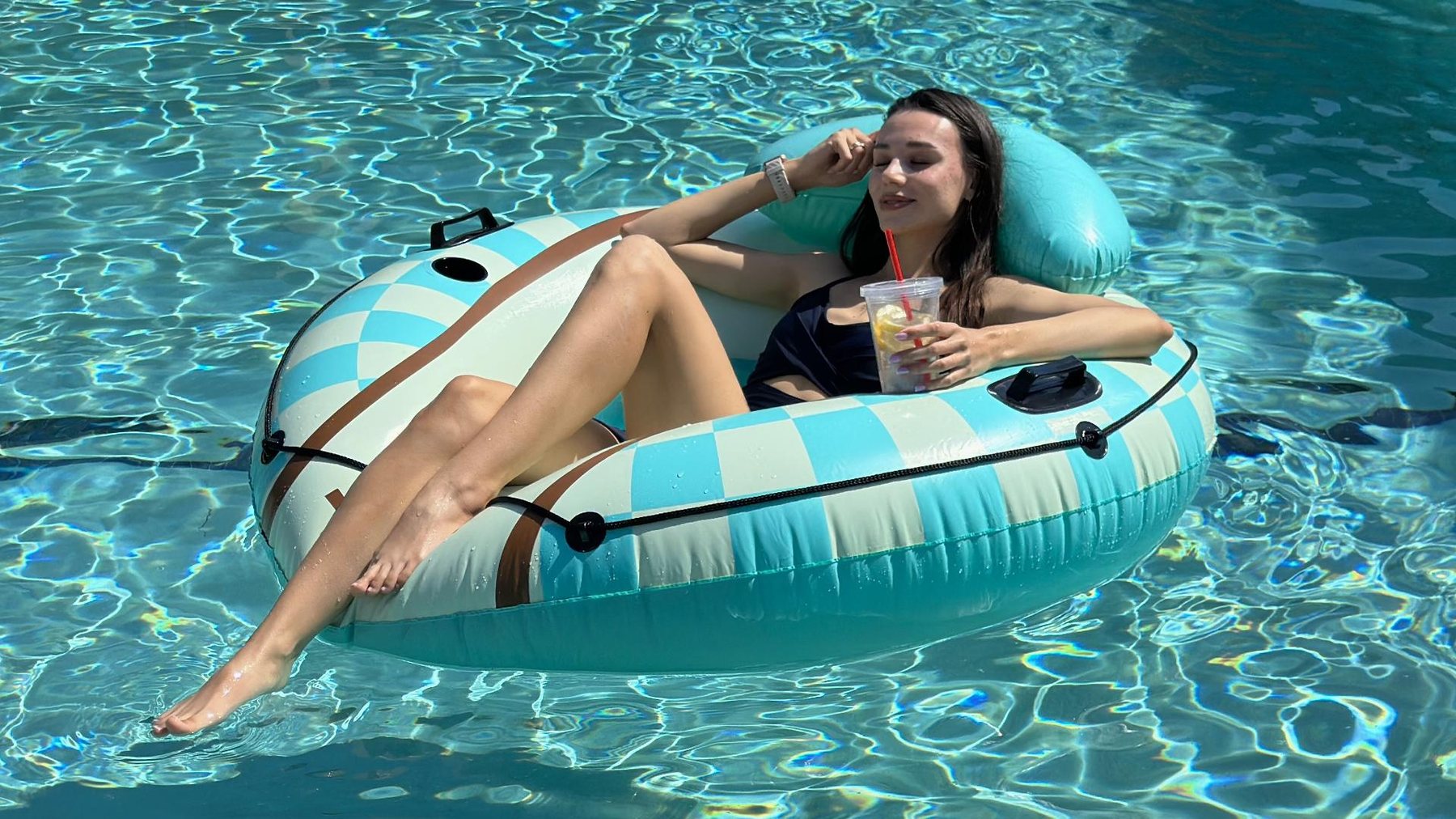
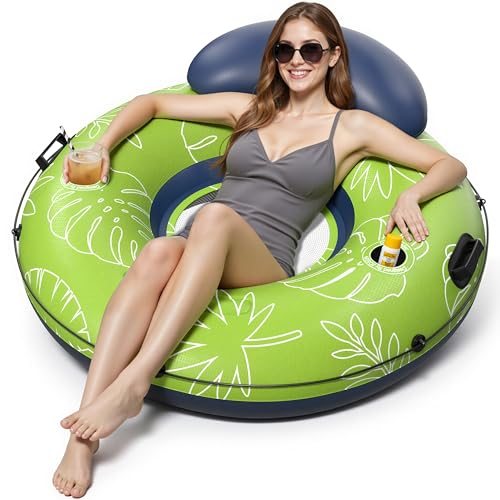
A person count is a marketing number. Two adults is one figure in a catalog and three different realities in a pool, so every JOSEN listing gives you inflated dimensions in inches and a load rating in pounds, and we would rather you did the arithmetic yourself.
Start with the rating. Our 71 inch round raft holds 500 pounds and the 53 inch river tube holds 350. Those numbers are measured on calm water with the load centred, which is the condition you will almost never be in. On a lake with chop, or with someone climbing on from the side, the effective figure is lower — plan on about eighty percent of the printed rating and you will never be surprised.
Then look at the shape. A round raft spreads a load across a wide base and stays level with two people on it. A chaise lounger concentrates weight at the seat, which is comfortable for one and unstable for two no matter what the pound rating says. A tube is the most forgiving of all because the ring carries the load around a circle — it is why tubes feel stable at weights that would tip a flat float.
Deflated size matters just as much and almost nobody checks it. The river tubes fold to roughly the size of a bed pillow. The big raft folds to a carry bag about the size of a backpack. The toddler bounce house is the only piece here that needs real storage space, and even that fits a closet shelf.
For the kids' gear we publish an age range rather than a weight, because the limiting factor is reach and not load. A hopper a child cannot straddle flat-footed is a hopper they will fall off, so measure inseam rather than guessing by age. The horse suits the smallest riders, the dinosaur the middle, and the unicorn is the one they grow into rather than out of.
Weight ratings are a floor, not a target, and the lived experience of a float is decided well below the number on the box. If you are buying for a party with a mixed group, size up once and stop — a raft that is slightly too big is a minor annoyance, a raft that is slightly too small is a wet afternoon. Our depth guide covers the other half of the question, which is where that weight is going to sit.